Noticed a few whiskers on the floor or a bare spot on your dog’s muzzle? You’re not alone in wondering, why is my dog losing whiskers? While whiskers may seem like just facial hair, they serve important sensory and navigational roles for your pup. In this guide, we’ll explore the causes of whisker loss, what’s normal, and when you should talk to your vet.
Table of Contents
- What Are Dog Whiskers and What Do They Do?
- Why Is My Dog Losing Whiskers?
- Top Causes of Dog Whisker Loss
- Dog Losing Whiskers on Muzzle: Is It Normal?
- When to See a Vet About Whisker Loss
- Pro Tips for Healthy Whiskers
- Common Mistakes to Avoid
- FAQ
- Final Thoughts
What Are Dog Whiskers and What Do They Do?
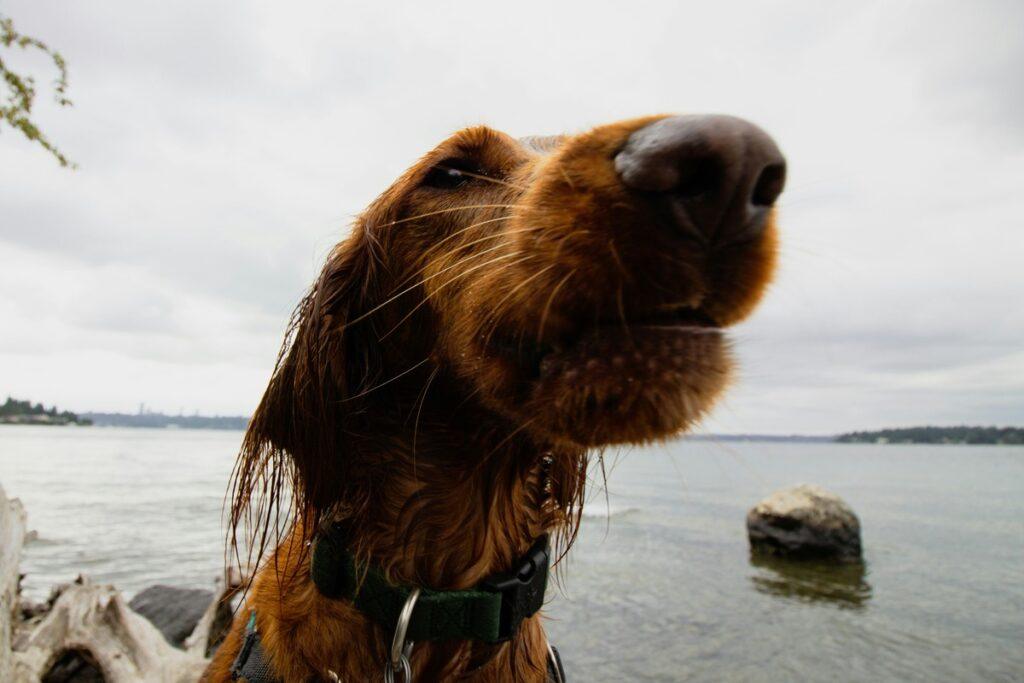
Dog whiskers, or vibrissae, are coarse hairs deeply embedded in the skin and surrounded by nerve endings. They help dogs detect objects, vibrations, and changes in airflow—like mini sensory radars. Whiskers appear around the muzzle, eyebrows, and sometimes under the chin.
Why Is My Dog Losing Whiskers?
Why is my dog losing whiskers? In many cases, whisker loss is part of natural shedding. However, sudden or excessive loss may be linked to underlying skin conditions, allergies, grooming habits, or hormonal imbalances. Context matters—especially if your dog is also scratching, has bald spots, or changes in behavior.
Top Causes of Dog Whisker Loss
- Natural Shedding: Like fur, whiskers also go through growth and fall-out phases.
- Rough Grooming: Trimming whiskers too closely or shaving may damage follicles.
- Allergies: Food or environmental allergens can trigger whisker thinning.
- Skin Infections: Bacterial or fungal infections can affect the hair around the muzzle.
- Mange or Mites: Parasites can cause whisker and fur loss, often with red, irritated skin.
- Hormonal Imbalance: Thyroid or adrenal gland issues may lead to hair and whisker loss.
- Friction: Dogs who push their face through tight spaces may rub whiskers off over time.
Understanding the causes of dog whisker loss helps you act early if the issue is more than cosmetic. If your dog has additional symptoms like flaking, redness, or swelling, consult a veterinarian.
Dog Losing Whiskers on Muzzle: Is It Normal?
It’s common for dogs to lose a few whiskers occasionally. But consistent loss in the same area—especially if your dog is losing whiskers on the muzzle only—might signal local trauma or follicular infection. Keep an eye on patterns and frequency.

When to See a Vet About Whisker Loss
Visit your vet if whisker loss is paired with:
- Excessive scratching or head shaking
- Redness, crusting, or oozing skin
- Behavior changes like head rubbing or irritability
- Generalized fur loss or dull coat
Early diagnosis of skin issues or endocrine disorders improves outcomes. For example, signs like patchy hair loss and itchy ears may also point to problems like ear infections in dogs or skin allergies.
Pro Tips for Healthy Whiskers
- Never trim or pluck your dog’s whiskers—they’re essential for sensory feedback.
- Use gentle grooming tools and avoid overbrushing the muzzle.
- Feed a high-quality diet that supports skin and coat health. Chickpeas and omega-3s help—see our article on can dogs eat chickpeas.
- Clean food bowls and collars to prevent irritation around the face.
Common Mistakes to Avoid
Owners sometimes shave whiskers thinking they’re like regular fur. This can confuse your dog’s spatial perception. Also, avoid scented wipes or chemical shampoos near the muzzle—they may irritate follicles. If you’re unsure, opt for hypoallergenic grooming products recommended for sensitive skin.
FAQ
Is it normal for dogs to lose whiskers?
Yes, occasional whisker shedding is normal. But consistent or patchy loss may require a vet visit.
Do dog whiskers grow back?
Usually yes, unless there’s permanent follicle damage or scarring from skin disease.
Can I trim my dog’s whiskers?
It’s not recommended. Trimming can impair their ability to navigate and sense their environment.
Final Thoughts
So, why is my dog losing whiskers? It could be natural shedding, rough grooming, or a skin issue. While minor whisker loss isn’t usually serious, it’s important to monitor for patterns or signs of discomfort. If in doubt, check with your vet to rule out underlying conditions and keep your dog’s face—and senses—happy and healthy.
For more dog health advice, read our articles on common dog health problems or itchy ears in dogs.
For expert insight, visit the AKC article on why dogs have whiskers.