Schipperke Dog Breed – Complete Guide to the Little Black Devil
Looking for a small yet bold companion? The Schipperke Dog Breed might steal your heart with its lively spirit, fox-like face, and luxurious black coat. Often nicknamed “the little black devil,” this breed packs an energetic punch in a tiny body. In this guide, we’ll explore their history, temperament, care needs, and why they’re becoming a favorite choice for many dog owners in the US and beyond.
Table of Contents
- Origin and History of the Schipperke Dog Breed
- Schipperke Appearance and Size
- Schipperke Dog Temperament and Personality
- Schipperke Dog Care and Grooming Tips
- Training and Socialization
- Common Health Issues in Schipperkes
- FAQ
- Final Thoughts
Origin and History of the Schipperke Dog Breed
The Schipperke Dog Breed originated in Belgium, dating back to the 1600s. They were bred as barge dogs, skilled in hunting rats on boats and acting as vigilant watchdogs. Their name means “little captain” in Flemish, reflecting their protective nature. Today, Schipperkes remain a symbol of loyalty and agility.
Schipperke Appearance and Size
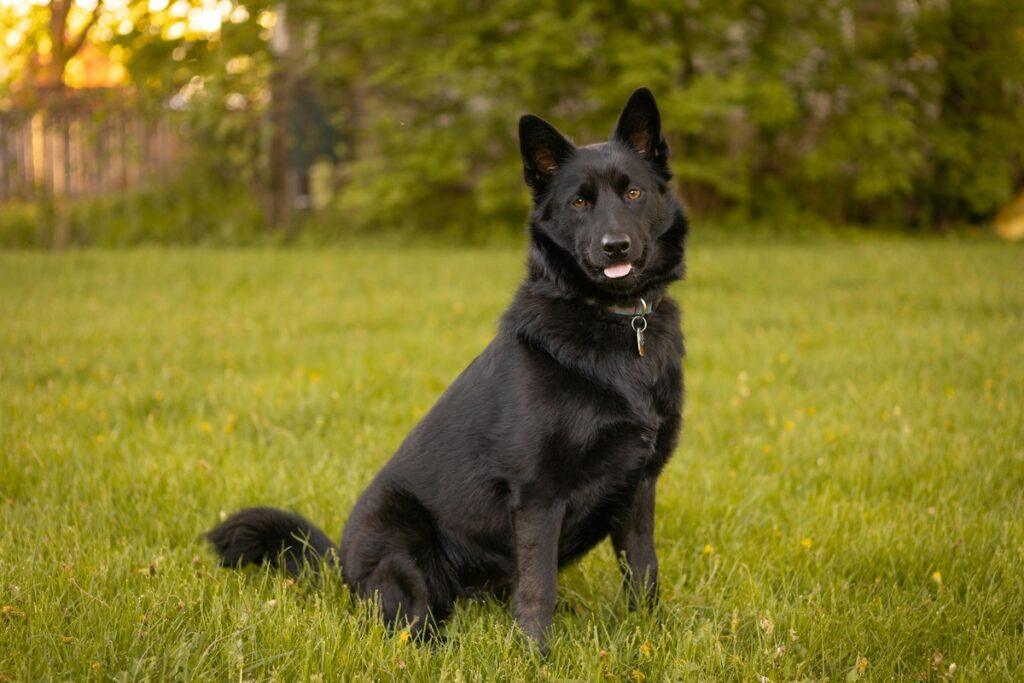
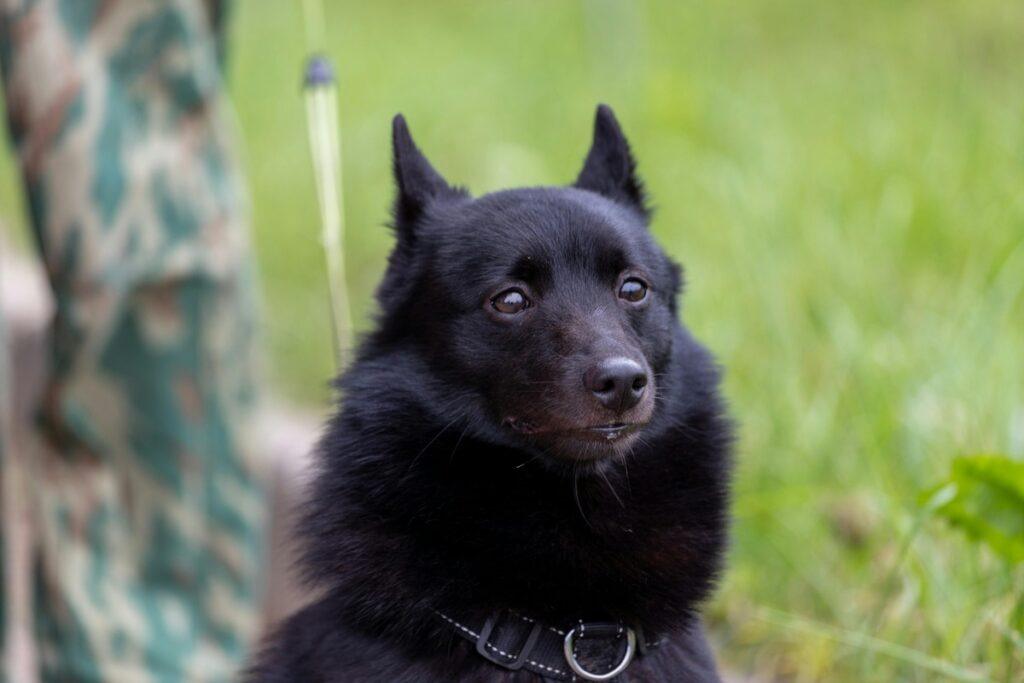
Wondering how big does a Schipperke dog get? These compact dogs typically stand 10-13 inches tall and weigh between 10-16 pounds. They’re best known for their dense black double coat, pointed ears, and fox-like expression. The thick fur around their neck gives the impression of a mane or “ruff.” Some Schipperkes are naturally tailless, while others may have short tails.
Schipperke Dog Temperament and Personality
If you’re asking “Are Schipperke dogs good family pets?”, the answer is a strong yes—but with a caveat. Schipperkes are alert, lively, and fiercely loyal. They can be stubborn and independent but thrive in families who provide firm, consistent training. They’re excellent watchdogs and love being involved in household activities.
While affectionate with their owners, Schipperkes may be wary of strangers. Early socialization is crucial to help them grow into confident, balanced adults.
Schipperke Dog Care and Grooming Tips
One of the perks of owning a Schipperke is their relatively low-maintenance coat. However, shedding can become significant during seasonal changes. Here are some essential Schipperke dog grooming tips:
- Brush at least twice a week to control shedding and maintain coat health.
- Bathe only when necessary, as frequent baths can dry out their skin.
- Trim nails regularly to avoid discomfort.
- Check ears for debris or signs of infection.
Schipperkes are highly active and require daily exercise. Without mental stimulation, they can develop undesirable behaviors like excessive barking or chewing.
Training and Socialization
Training a Schipperke can be a test of patience due to their strong-willed nature. Use positive reinforcement and keep sessions short and engaging. Early socialization is crucial to help manage their natural suspicion of strangers.
Consider incorporating Clicker Training to keep your Schipperke mentally stimulated and responsive.
Common Health Issues in Schipperkes
Although generally healthy, the Schipperke Dog Breed can be prone to certain conditions:
- Luxating patella
- Hypothyroidism
- Eye problems like progressive retinal atrophy (PRA)
- Epilepsy
Routine vet checkups and a healthy diet can help prevent many of these issues. Explore our post about Best Supplements for Joint Health for additional support.
FAQ
Are Schipperkes good apartment dogs?
Yes! Their small size makes them suitable for apartments as long as they get daily exercise.
How much exercise do Schipperkes need?
At least 45-60 minutes per day of brisk walks and playtime to keep them happy and healthy.
Do Schipperkes bark a lot?
They’re naturally alert and vocal, making excellent watchdogs. Training can help reduce excessive barking.
External Resource: American Kennel Club – Schipperke Breed Standard
Final Thoughts
The Schipperke Dog Breed is a unique mix of spunk, intelligence, and loyalty. Perfect for active families who love a dog with personality, the Schipperke offers endless energy and devotion. Consider adopting this charismatic little breed and discover why they’re adored by dog lovers worldwide.