Glen of Imaal Terrier is a rare but charming dog breed known for its strong work ethic, affectionate nature, and unique appearance. If you’re searching for a small dog with big personality and low competition for attention, this hidden gem of the terrier world may be your perfect companion.
Table of Contents
Breed Overview
The Glen of Imaal Terrier hails from the Wicklow Mountains in Ireland. Originally bred as a working farm dog, this terrier was used for hunting vermin and even turning meat on a spit. Recognized by the American Kennel Club (AKC), this breed remains relatively rare in the U.S., making it an attractive choice for owners seeking a unique companion.
Appearance and Size
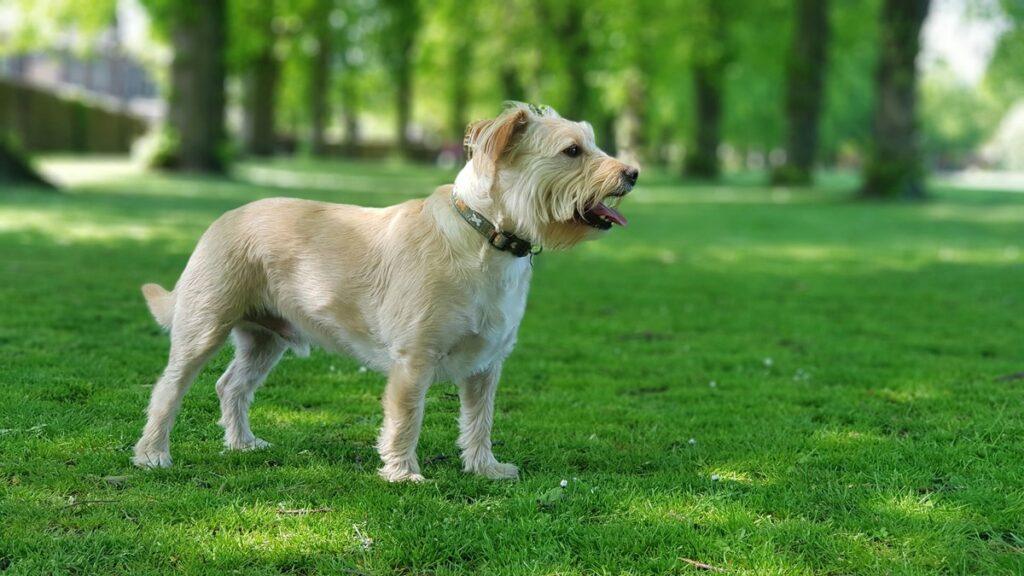
Short but muscular, Glen of Imaal Terriers typically weigh between 32 and 40 pounds. They have a sturdy frame, bowed front legs, and a double coat that provides weather resistance. Their expressive eyes and wiry fur give them a distinct, rugged look. Coat colors include wheaten, blue, and brindle.
Temperament and Behavior
Despite their tough appearance, Glens are gentle and loyal to their families. They tend to be quieter than other terriers and do well in households with older children. While independent, they are eager to please and enjoy being involved in family activities. Socialization from a young age is key to preventing reactivity toward other pets.

Training and Exercise
Glen of Imaal Terriers are intelligent and learn quickly when positive reinforcement is used. Short, focused sessions work best, especially when paired with treats and praise. Daily exercise such as walks, play sessions, and mental stimulation are essential to prevent boredom and destructive behavior. Basic obedience training should begin early.
Grooming Needs
Moderate grooming is required for this breed. Their harsh, medium-length coat benefits from weekly brushing and hand-stripping a few times a year. Regular nail trims, ear checks, and dental hygiene help maintain their overall health and appearance. Despite their rough look, Glens are relatively low-shedding.
Health Considerations
The Glen of Imaal Terrier is generally a healthy breed, but like all dogs, they are prone to certain conditions. Hip dysplasia and progressive retinal atrophy (PRA) are the most common concerns. Regular vet checkups and responsible breeding practices reduce risk. Their average lifespan ranges from 12 to 15 years.
Pros and Cons of Glen of Imaal Terriers
- Pros: Loyal, quiet for a terrier, low-shedding, adaptable to apartment living
- Cons: Can be stubborn, needs early socialization, not ideal for homes with small pets
Is This Breed Right for You?
If you’re an experienced dog owner looking for a unique breed that offers loyalty and personality, the Glen of Imaal Terrier may be right for you. With proper training and care, this terrier makes a wonderful addition to many types of homes, including apartments and suburban households.
Internal Resources
FAQ
Is the Glen of Imaal Terrier good with kids?
Yes, they’re affectionate with older children, though supervision is always recommended.
How often should I groom a Glen of Imaal Terrier?
Brush weekly and hand-strip every few months to maintain coat health.
Are they easy to train?
They respond well to positive reinforcement but can be a bit stubborn without consistency.
Final Thoughts
The Glen of Imaal Terrier might not be the most famous dog breed, but it offers everything you want in a loyal, spirited companion. With their unique look and well-rounded personality, Glens are perfect for pet owners who want something different—without sacrificing temperament, trainability, or adaptability.
For more information about the breed, visit the AKC Glen of Imaal Terrier profile.