
Are Sardines Good for Dogs? Benefits, Risks & Feeding Tips
Are sardines good for dogs? Many pet owners often wonder whether this tasty fish can safely become part of their furry friend’s diet. Let me share a brief story about Bella, a golden retriever whose dull coat and itchy skin significantly improved after adding sardines to her meals. Bella’s owner was astonished by the transformation, sparking a deeper curiosity about the nutritional value of sardines for dogs.
Are Sardines Good for Dogs?
Yes, sardines are generally excellent for dogs, offering various nutritional benefits. Rich in omega-3 fatty acids, proteins, and essential minerals, sardines can significantly enhance your dog’s overall health. However, feeding them correctly is crucial to avoid potential risks associated with fish consumption.
Nutritional Benefits of Sardines for Dogs
Omega-3 Fatty Acids for Dogs
Omega-3 fatty acids found in sardines are vital for your dog’s health, helping reduce inflammation, support heart health, and enhance cognitive function. Regular intake of omega-3 can also alleviate symptoms associated with arthritis in older dogs.
Protein and Essential Minerals
Sardines provide a high-quality protein source, essential for building strong muscles and maintaining optimal health. They are rich in calcium, iron, and vitamin D, supporting healthy bones and immune system function.
Additional Health Benefits of Sardines for Dogs
Sardines offer additional health advantages beyond basic nutrition. Their omega-3 fatty acids are known to support heart health, reducing the risk of heart disease. Sardines also help improve joint health and reduce inflammation, especially beneficial for senior dogs. Furthermore, regular consumption of sardines may boost the immune system and improve eyesight due to their vitamin A content.
Benefits of Sardines for Dog Coat
One of the standout benefits of sardines for dogs is their positive impact on coat health. The omega-3 fatty acids can significantly reduce dryness, itching, and shedding, resulting in a shinier, softer, and healthier coat, as seen in Bella’s remarkable transformation.
Canned Sardines vs Fresh Sardines for Dogs
Pros and Cons of Canned Sardines
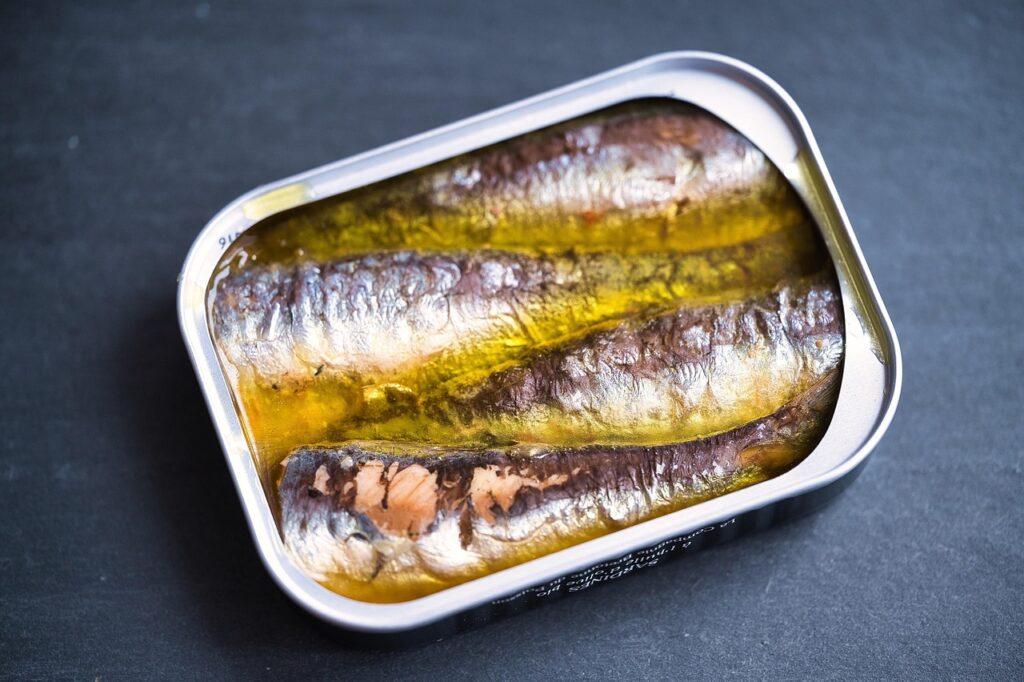
Canned sardines are convenient, affordable, and readily available year-round. However, choosing sardines canned in water without added salt or seasonings is vital to prevent harmful health effects.
Pros and Cons of Fresh Sardines
Fresh sardines provide superior nutritional quality, with no risk of additives. However, sourcing fresh sardines can be challenging and expensive. Proper preparation and storage are essential to avoid spoilage and bacterial contamination.
How Often Can Dogs Eat Sardines?
Sardines should be considered a supplemental treat rather than a dietary staple. Feeding your dog sardines once or twice a week is sufficient to reap the nutritional benefits without risking excessive calorie intake or digestive issues.
Are Sardines Safe for Puppies?
Yes, sardines can be safely introduced to puppies, provided they are boneless and cooked or canned in water. The rich nutrients support healthy growth and cognitive development in young dogs. Always introduce new foods gradually to monitor your puppy’s reaction.
Common Mistakes When Feeding Sardines to Dogs
- Feeding sardines in oil or with high sodium content.
- Offering sardines with bones that could choke or injure your dog.
- Giving too many sardines, leading to digestive upset or obesity.
Pro Tips for Feeding Sardines to Dogs Safely
- Choose sardines canned in water with no added salt.
- Always debone fresh sardines before feeding.
- Mix sardines with your dog’s regular food gradually to ensure proper digestion.
Final Thoughts
Adding sardines to your dog’s diet can significantly benefit their health, coat, and overall well-being when done correctly. Keep portions reasonable, choose high-quality products, and consult your veterinarian if unsure. For more information, visit the American Kennel Club (AKC)
Sardines complement other beneficial foods such as eggs and oatmeal, enhancing your dog’s balanced diet. Check out our guide on human foods safe for dogs for more nutritious feeding ideas.