
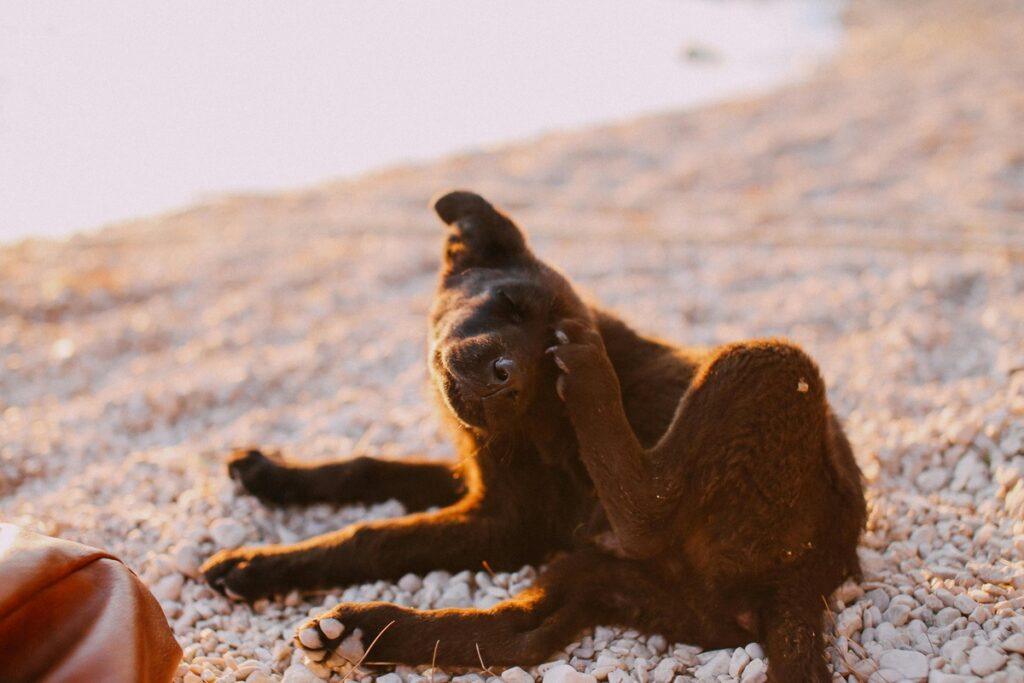
Natural Flea Repellent for Dogs – Safe and Effective Solutions
If your dog is scratching more than usual, it could be due to fleas. But before reaching for harsh chemical treatments, consider safer alternatives. In this guide, we’ll explore the best natural flea repellent for dogs, including DIY recipes, essential oils, and everyday habits that can keep fleas at bay—all without harmful ingredients.
Table of Contents
- Why Use Natural Flea Repellents?
- Best Ingredients for Natural Flea Control
- DIY Natural Flea Repellent Recipes
- Essential Oils for Flea Prevention
- Natural Flea Repellent for Puppies
- Signs Your Dog Has Fleas
- Common Mistakes to Avoid
- Internal Resources
- Final Thoughts
- FAQ
Why Use Natural Flea Repellents?
Commercial flea treatments can contain chemicals like fipronil and permethrin, which may cause side effects in some dogs. Natural flea repellents offer a gentler, non-toxic solution—especially useful for puppies, senior dogs, or dogs with sensitive skin. Using plant-based ingredients and proper grooming, you can effectively control fleas and avoid potential health risks.
Best Ingredients for Natural Flea Control
- Apple cider vinegar (ACV)
- Lemon juice
- Neem oil
- Lavender, eucalyptus, and cedarwood essential oils
- Brewer’s yeast
- Coconut oil
- Rosemary and peppermint
DIY Natural Flea Repellent Recipes
1. Apple Cider Vinegar Flea Spray
Mix 1 cup ACV with 1 cup water and a few drops of lavender oil. Spray onto your dog’s coat, avoiding eyes and nose.
2. Lemon Flea Spray
Slice one lemon and steep in boiling water overnight. Strain and use the liquid in a spray bottle to mist your dog’s fur.
3. Coconut Oil Rub
Massage coconut oil directly into your dog’s coat. It kills and repels fleas while moisturizing the skin.
Essential Oils for Flea Prevention
Some essential oils act as powerful natural repellents. The best options include lavender, eucalyptus, peppermint, cedarwood, and lemongrass. Always dilute with a carrier oil and test on a small patch before full use. Never use tea tree oil—it can be toxic to dogs.
Natural Flea Repellent for Puppies
Puppies require extra care. Avoid essential oils and instead opt for mild solutions like ACV diluted 1:3 with water or gentle coconut oil applications. Regular combing with a flea comb and frequent washing of bedding also help keep fleas away.
Signs Your Dog Has Fleas
Knowing the signs of flea infestation is key to early treatment. Here are some red flags:
- Excessive scratching or biting at skin
- Visible fleas or flea dirt (black specs) in fur
- Hair loss or skin redness
- Restlessness or constant licking
- Scabs and bumps from allergic reactions

Common Mistakes to Avoid
- Using undiluted essential oils
- Applying sprays near eyes or open wounds
- Ignoring the dog’s environment (bedding, yard, etc.)
- Not addressing underlying skin irritation
Internal Resources
Final Thoughts
Flea control doesn’t have to come with a chemical warning label. With natural flea repellent for dogs, you can protect your furry friend safely and holistically. Whether through DIY sprays, essential oils, or proactive grooming, these natural methods are gentle, effective, and perfect for keeping your dog flea-free year-round.
FAQ
Is apple cider vinegar safe for dogs?
Yes, when diluted properly, ACV is a safe natural flea repellent for dogs.
How often should I apply natural flea sprays?
Most DIY sprays can be applied 2–3 times per week depending on activity level and exposure.
Can I use natural flea repellents on pregnant dogs?
It’s best to consult a vet before using any product on pregnant or nursing dogs—even natural ones.
Do natural methods work as well as commercial products?
They can be very effective if used consistently along with a clean environment and proper grooming.
External Resource: PetMD – Natural Home Remedies for Flea Prevention